When the diagnosis is clear but the work picture is not
You already know what the person is dealing with. What is often missing is the translation — from clinical presentation to job demands, functional barriers, practical accommodation options, and a workable return-to-work or stay-at-work plan.
That translation is the work of this practice. Two services support it: Clinical Function and Accommodation Consultation and Function-Focused Psychotherapy.
Diagnosis names it. Function explains it.
A diagnosis tells a decision-maker what a person has. It does not tell them what the person can do, under what conditions, at what pace, or with what support. Employers, schools, and human resources teams all ask the second question, and the answer rarely appears in a clinical note.
Function-first work starts with the demands of the actual role or setting — essential functions, pace, schedule, cognitive and physical load, supervision structure — and traces where the person’s current functioning meets those demands and where it does not. What comes out is language a provider, employer, or human resources team can use, and a concrete next step.
Who refers here
Medical and Behavioral Health Providers
For patients whose symptoms are affecting employment, when you are asked for work notes, leave documentation, accommodation letters, restrictions, or return-to-work recommendations without the time to analyze job duties.
- The patient wants to return to work but is overwhelmed
- The employer is asking for more specific functional limitations
- A return-to-work plan is needed after treatment, hospitalization, IOP, or PHP
Employers and Human Resources
For employees whose health condition, disability, injury, or mental health concern is affecting job performance, attendance, or participation — where the accommodation conversation needs structure rather than another form.
- An accommodation request arrived and the functional picture is unclear
- An employee is returning from leave and needs a workable re-entry plan
- Documentation from a provider does not connect to the actual job duties
Legal and claims matters are handled elsewhere
Referrals from attorneys and legal support teams, and from workers’ compensation carriers, third-party administrators, insurers, and case-management firms, are not accepted here. Those matters are handled through a separate firm, The Vocational Standard, which provides forensic vocational evaluation, expert testimony, work and earning-capacity analysis, and attorney-retained engagements.
Reach The Vocational Standard at (980) 326-0616 or cheryl@thevocationalstandard.com.
Consultation and psychotherapy are not the same referral
| Clinical Function and Accommodation Consultation | A structured, practical consultation focused on job demands, functional barriers, accommodation options, workplace communication, documentation needs, and return-to-work or stay-at-work planning. Private pay only; not billable to insurance. |
|---|---|
| Function-Focused Psychotherapy | Individual psychotherapy, ages 16 and older, treating clinical symptoms while rebuilding daily functioning — coping, routines, communication, boundaries, confidence, adjustment, and sustainable participation. Billable to insurance. It is a treatment service and does not produce an independent, forensic, disability, or claims opinion. |
A person may be appropriate for one or both. When both apply, the boundary between them is kept explicit.
What this service is — and what it is not
This service does not include
- Independent medical examination or functional capacity evaluation
- Forensic vocational evaluation, employability opinion, or earning-capacity opinion
- Expert-witness testimony or legal opinion
- Disability determination, claim adjudication, or benefits decisions
- Medical certification of restrictions
Decisions about accommodations, leave, restrictions, benefits, claims, and employment are made by the responsible employer, provider, insurer, administrator, or governing body. No accommodation approval, return to work, job retention, or claim outcome is guaranteed, and a diagnosis alone does not establish a workplace limitation.
Forensic vocational consultation and expert-witness services are rendered through a separate firm, The Vocational Standard, at (980) 326-0616. Attorney, legal support, workers’ compensation, third-party administrator, insurance, and case-management referrals are handled there rather than here.
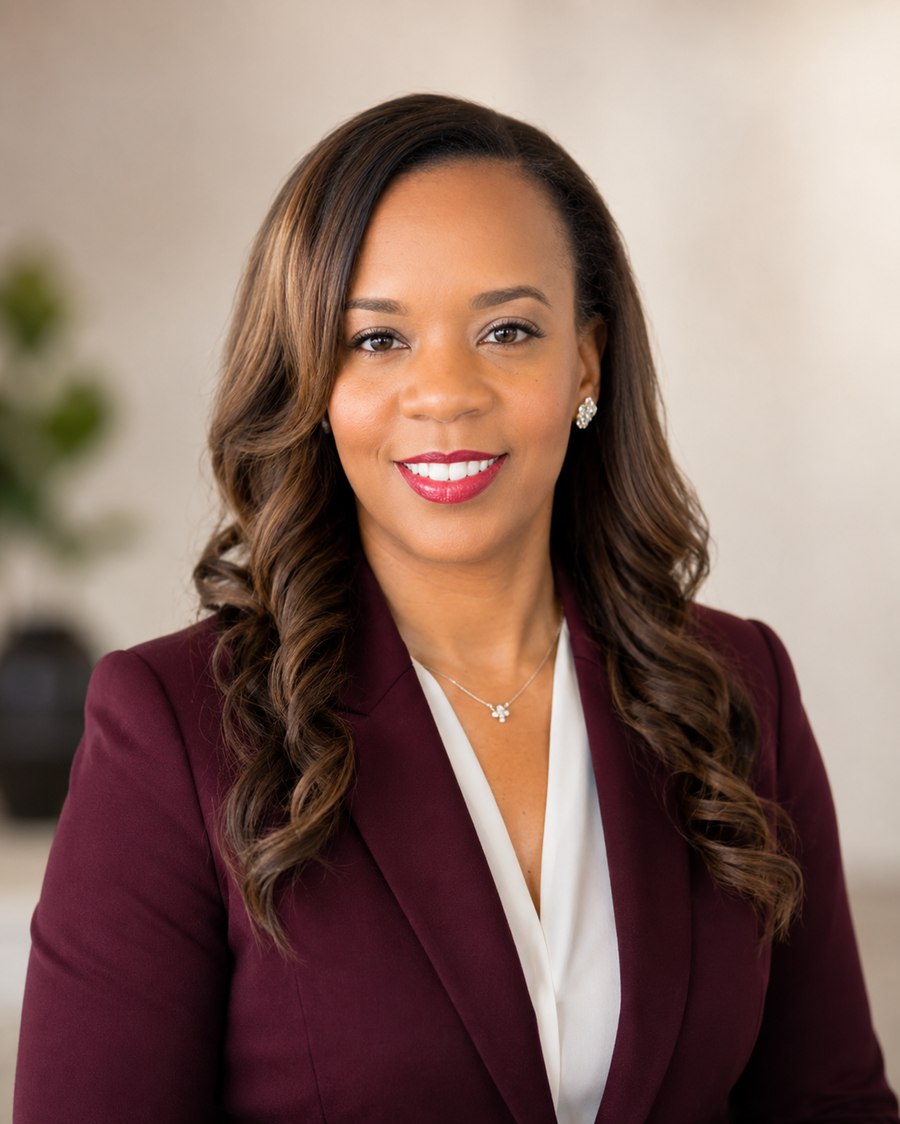
Dr. Cheryl L. Andrews
Dr. Andrews is a doctoral-level, multi-state licensed clinical mental health counselor and supervisor, Certified Rehabilitation Counselor, and Certified ADA Administrator with nearly twenty-five years of experience across behavioral health, rehabilitation counseling, vocational rehabilitation, employee assistance, and disability-informed practice.
She is the author of the Clinical Function and Accommodation Framework, a practice-informed model connecting clinical presentation to workplace function and accommodation planning. Cheryl L. Andrews & Associates maintains offices in Charlotte, North Carolina and Atlanta, Georgia, with secure telehealth in North Carolina, South Carolina, Georgia, and Virginia.
- Ph.D., Counselor Education and Supervision — Walden University
- M.S., Rehabilitation Counseling — Winston-Salem State University
- B.A., Sociology — Saint Augustine’s University
Cheryl L. Andrews, PhDLCMHC-S (NC) · LPC-S (SC) · LPC (GA, VA) · CRC · ACS · NCC · Certified ADA Administrator
Refer with confidence
Call, fax, or email the office. Referrals are acknowledged promptly and screened for fit before anything is scheduled.
Office (877) 305-0570 ·
Fax (877) 418-3074 ·
dr.ca@cheryllandrews.com
cheryllandrews.com